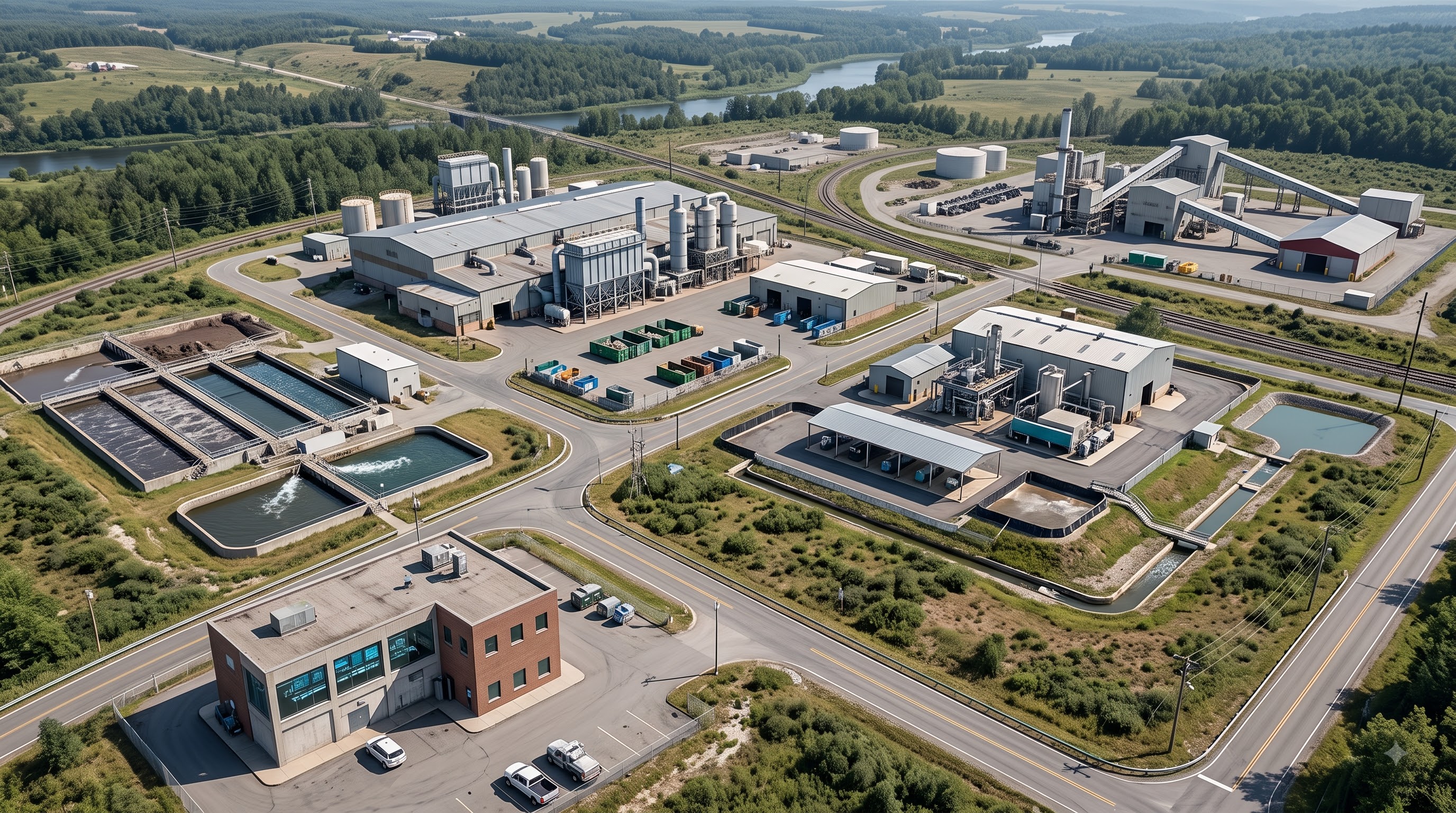
How to Manage Environmental Permits Across Multiple Manufacturing Sites
Managing Environmental Compliance at Scale
To successfully manage environmental permits across multiple manufacturing sites, organisations must move away from siloed spreadsheets and personal folders. Effective compliance depends on a centralised permit register, clearly assigned ownership at the site level, and a structured internal audit programme that translates legal language into operational tasks.
iAudit Global helps manufacturing teams maintain a unified audit history across all locations, ensuring permit compliance is visible, tracked and secure even when personnel move on.
Managing environmental permits across multiple manufacturing sites is fundamentally a governance, compliance and data management challenge. In a single-site operation, permit conditions are often managed through local knowledge and personal folders. However, as an organisation scales across different regions or countries, that approach carries significant risk.
The goal for any multi site environmental compliance manufacturing programme is to ensure every facility operates within its specific permit conditions while maintaining visibility, consistency and accountability at a corporate level. Without a structured system, the risk of missed renewals, unmonitored emissions or regulatory breaches increases.
Why Multi Site Environmental Compliance Is Complex in Manufacturing

In our experience working with ISO 14001 systems, manufacturing organisations face a unique set of variables that make environmental management difficult to centralise.
Different Permit Conditions Across Facilities
Two factories producing the same product may have entirely different permit requirements based on their location. One site might have strict wastewater discharge limits due to its proximity to a watercourse, while another might focus heavily on air emissions due to local air quality zones. This variability makes it impossible to use a "one size fits all" checklist for every plant.
Multiple Regulatory Authorities and Reporting Deadlines
Manufacturing sites often deal with different regional or national regulators. Each authority has its own reporting formats, submission portals and deadline cycles. Keeping track of these across five, ten or fifty sites requires more than a simple spreadsheet.
Operational Changes That Trigger Permit Modifications
Manufacturing is rarely static. New production lines, changes in raw materials or equipment upgrades can all invalidate an existing permit. Managing these modifications proactively is essential to prevent unpermitted operations, which can lead to heavy fines or forced shutdowns.
Create a Centralised Environmental Permit Register for All Sites

The first step in gaining control is to move away from site-level silos. You need a centralised manufacturing permit register that provides a master view of every environmental obligation across the organisation.
This master database should include:
All environmental permits for every site.
Permit numbers and issuing authorities.
Clear expiration and renewal dates.
Applicable regional and national regulations.
Specific reporting requirements and monitoring obligations.
Emission and discharge limits.
Assigned responsible personnel at the site level.
A centralised inventory ensures that if a site-level manager leaves, the organisation does not lose its compliance history or awareness of upcoming deadlines.
Translate Permit Conditions into Actionable Compliance Tasks

One of the most common gaps we see in ISO 14001 legal register manufacturing setups is the failure to “operationalise” permit language. Legal permits are often written in complex, technical language that does not easily translate to daily tasks for a shopfloor operator or a maintenance team.
To manage environmental permits across multiple manufacturing sites effectively, you must convert permit conditions into a structured obligation register.
From Legal Language to Operational Control
Each permit condition should be broken down into:
What must be done? (e.g., Stack emissions testing).
How often? (e.g., Annually).
Who is responsible? (e.g., Site EHS Manager).
What proves compliance? (e.g., Third-party laboratory report).
This conversion ensures that compliance is based on clear actions rather than an individual's interpretation of a legal document.
Assign Clear Ownership Across Corporate and Site Levels
Responsibility for environmental compliance often becomes blurred in multi-site organisations. To avoid “compliance gaps,” you need a clear governance model.
Corporate EHS Team
Responsible for oversight, internal audit programmes, policy development and tracking high-level regulatory changes.
Site EHS Manager
Responsible for daily permit compliance, maintaining records, coordinating sampling and hosting regulatory inspections.
Plant Leadership
Responsible for resource allocation and ensuring environmental management is integrated into operational decisions.
Every requirement in your manufacturing permit register must have a named owner. When ownership is clear, accountability follows.
Implement a Compliance Calendar Across All Manufacturing Facilities

Timing is everything in environmental management. Missing a renewal window or a quarterly report deadline is one of the easiest ways to trigger regulatory scrutiny.
A centralised compliance calendar allows you to track:
Permit renewal deadlines.
Monitoring and sampling schedules.
Regulatory report submission dates.
Required environmental training for staff.
Internal and external audit windows.
Using environmental permit tracking manufacturing tools to automate reminders can significantly reduce the risk of human error. Visibility of these dates at a corporate level allows head office to provide support to sites before a deadline is missed.
Audit Environmental Permit Compliance Regularly

You cannot manage what you do not measure. Regular auditing is the “Check” phase of the Plan-Do-Check-Act cycle and is vital for ISO 14001 environmental audit manufacturing programmes.
We recommend a tiered approach to auditing:
Monthly Site Self-Assessments
Site teams perform quick checks against their core permit conditions.
Quarterly Compliance Reviews
A more thorough look at data, laboratory results and record retention.
Annual Corporate Audits
An independent review of the site’s performance against both legal permits and ISO 14001 standards.
All audit findings should be recorded in a central system, with corrective actions assigned, tracked and verified through to closure.
Monitor Regulatory Changes and Manage Permit Modifications

Environmental regulations are not static. New legislation, such as changes to waste categorisation or emission limits, can impact your permits overnight. Corporate EHS teams should coordinate regulatory monitoring to ensure that every site is made aware of changes that affect their specific operations.
Furthermore, a formal Management of Change (MOC) process is necessary. Before a plant manager adds a new boiler or changes a chemical process, there must be a check to see if it requires a permit modification. Managing this proactively prevents the risk of operating outside of legal limits.
Develop Executive Visibility Across All Sites

Environmental compliance should not be a “hidden” activity. Leadership needs visibility to ensure resources are being directed where risks are highest.
Dashboards should be used to show:
- ✓
Permit renewal status across the group.
- ✓
Overdue or upcoming compliance actions.
- ✓
Results from recent regulatory inspections.
- ✓
Environmental incident trends.
- ✓
Site-by-site compliance performance scores.
When leadership can see compliance data in real time, environmental management moves from being a “box-ticking” exercise to a core part of operational excellence.
Building Structured Environmental Compliance Across Multiple Manufacturing Sites
Effective multi site environmental compliance manufacturing relies on moving away from fragmented, person-dependent systems. By centralising your permit inventory, standardising how obligations are tracked and maintaining a rigorous audit programme, you protect your organisation from both legal and operational risks.
This structured approach ensures that whether you operate three facilities or thirty, your environmental performance remains consistent and your ISO 14001 certification stays secure.
How iAudit Supports Environmental Compliance in Manufacturing
iAudit Global is an ISO audit management platform built by certified Lead Auditors who understand the complexity of manufacturing compliance. We created the software to solve the exact problem of fragmented audit data and scattered compliance records.
For manufacturing organisations managing environmental permits, iAudit provides:
If you are reviewing how you manage environmental permits across multiple manufacturing sites, you can explore our structured approach to ISO auditing at iaudit.global. We also offer a 14-day free trial, so you can see firsthand how iAudit Global helps your organisation centralise its compliance history and protect its audit trail.